The Aidelly Blog
Run social for every client, with agents doing the busywork.
Plain-English guides on AI agents, approvals, publishing and reporting for agencies and the people who run them.
235 articles and counting
Latest posts
 Small Business
Best Social Media Scheduling Tools in 2026: Manual vs AI-Agent Platforms, Compared With Pricing
Most social media tool comparisons give you a checkbox table and call it a day. This one is different. The scheduling market has split into two very different camps in 2026: legacy tools built around manual workflows and agentic tools that let AI handle your entire content lifecycle. Before you pick a tool, you need to know which camp you actually want to be in. This article walks through the real differences between Buffer, Hootsuite, Later, and Aidelly — covering pricing transparency, auto-scheduling accuracy, developer and agency use cases, and the shift toward autonomous AI workflows. No sponsored rankings. No vague feature lists. Just an honest look at what each tool actually does, where each one wins, and how to match the right tool to how you actually work.
12 min read
 Agencies
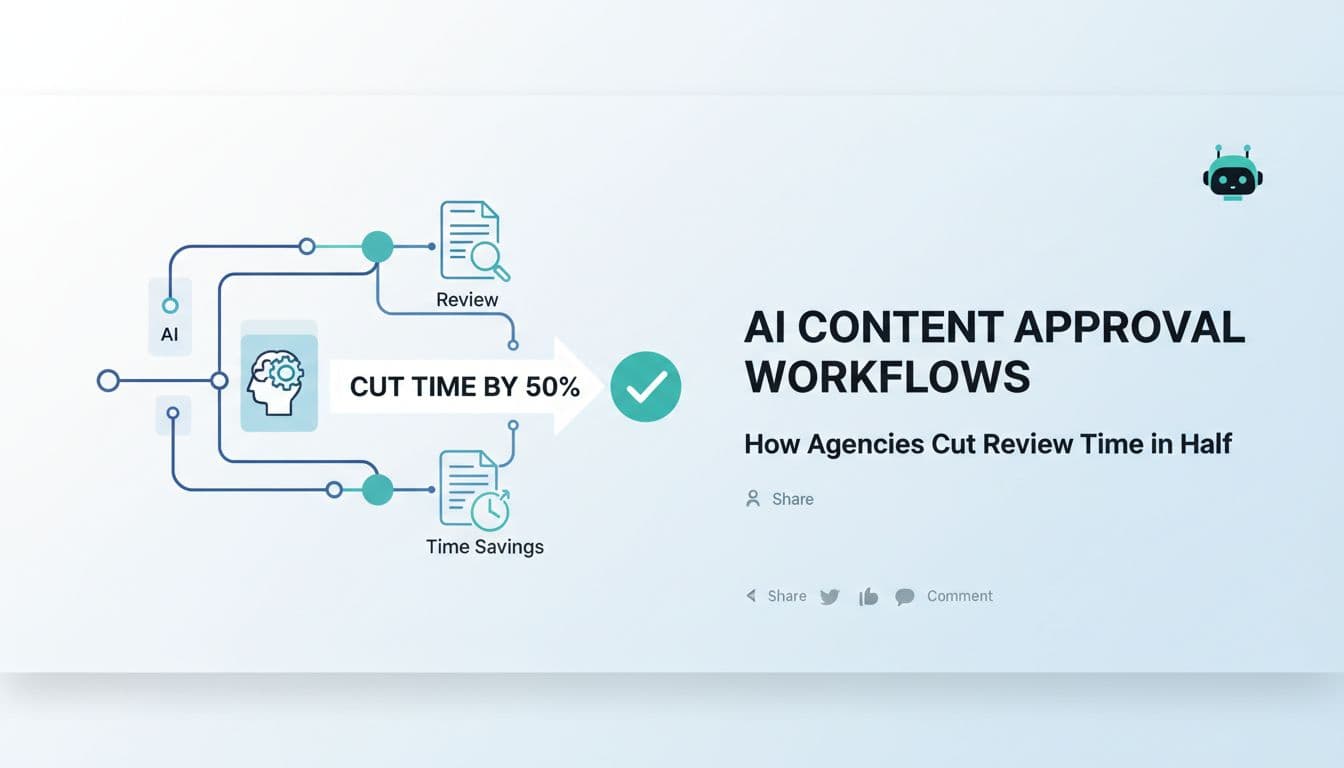
AI Content Approval Workflows: How Agencies Cut Review Time in Half
If you run a social media agency, you know the approval process can kill momentum faster than anything else. A post gets drafted, sent to the client, and then it sits. Days pass. You follow up. They request changes. You revise. They forward it to someone else. By the time it gets approved, the moment has passed. In 2026, agencies that are still running manual approval chains are leaving time and money on the table. AI content approval workflows change how the whole process works — not by replacing human judgment, but by handling the slow, repetitive parts automatically. This guide breaks down exactly how these workflows operate, where they save the most time, and what agencies need to put one in place today.
9 min read
 Agencies
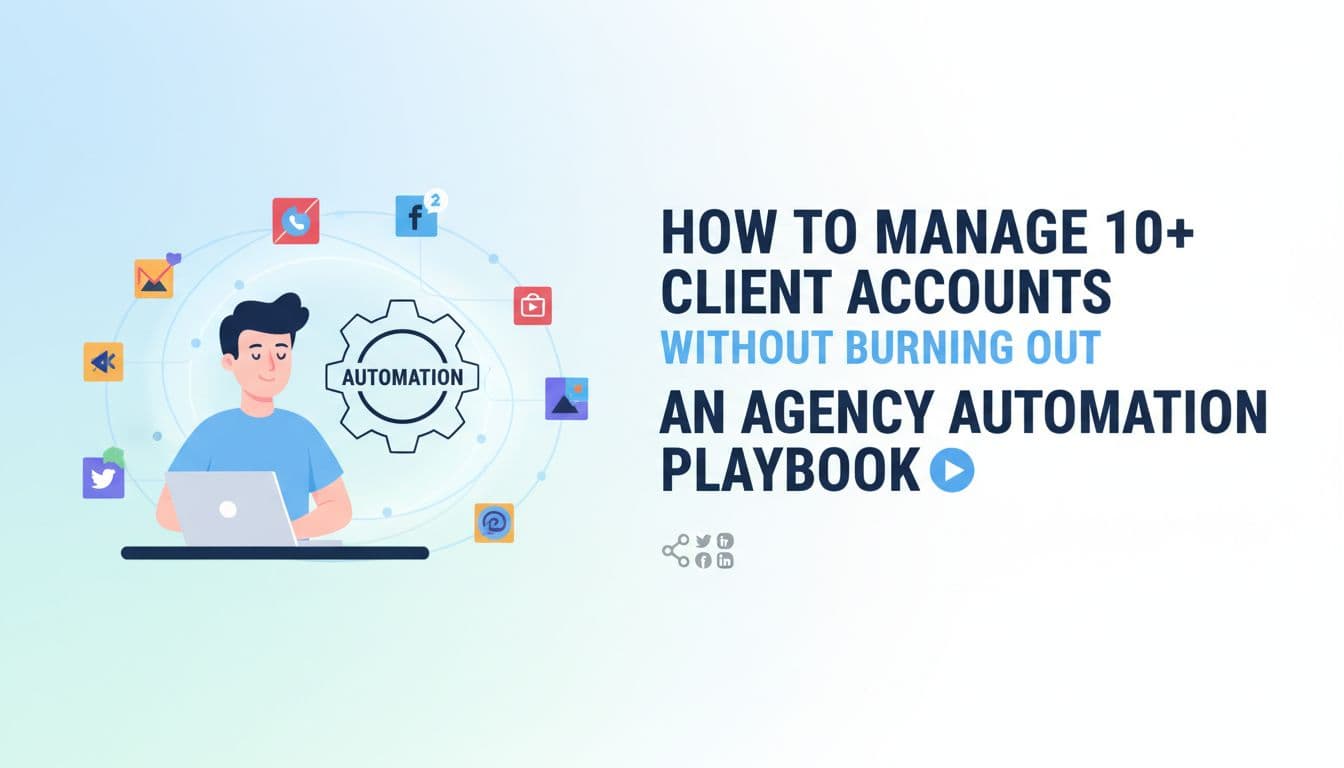
How to Manage 10+ Client Accounts Without Burning Out: An Agency Automation Playbook
Managing 10 or more social media clients without burning out isn't about working longer hours. It's about building a system that handles the repetitive work so you can focus on what actually grows accounts. Most agency owners hit a wall around 5 to 7 clients. The content calendar feels like a second job. Approval emails pile up. Every new client means rebuilding the same workflows from scratch. This playbook walks through the five stages where agency time gets lost: client onboarding, content creation, approvals, scheduling, and reporting. At each stage, you'll see what the manual version costs you in time, and what the automated version looks like in practice. Whether you're a solopreneur managing 6 clients or an agency lead trying to grow to 15 without hiring two more people, this is the operating system you've been looking for.
10 min read
 Solopreneurs
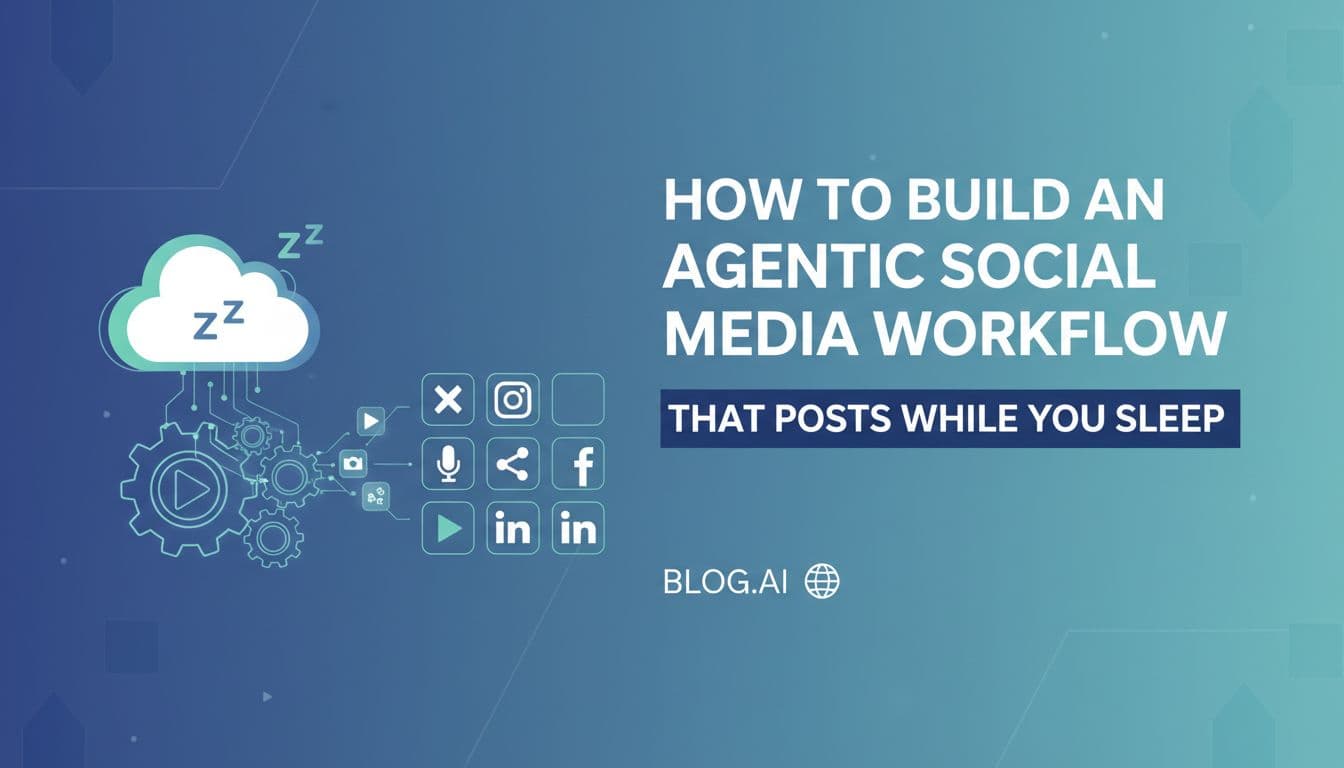
How to Build an Agentic Social Media Workflow That Posts While You Sleep
Most social media tools promise automation but still leave you doing most of the work. You batch-write posts, pick times, upload images, and hit publish — just in a slightly more organized way. That is scheduling, not automation. A true agentic social media workflow is different. AI agents handle content ideation, copywriting, platform optimization, scheduling, and performance analysis without you approving each step. This article breaks down exactly what that looks like in practice: the four layers every agentic workflow needs, why brand voice is the piece most people get wrong, and how smart scheduling is not the same as picking a time slot on a calendar. If you are a solopreneur or running a lean team and social media feels like a part-time job you never signed up for, this is the architecture that changes that.
14 min read
 Small Business
How Restaurants Can Schedule a Month of Social Content in Under Two Hours
Most restaurant owners spend 5 to 10 hours a month on social media and still post inconsistently. The problem is not effort. It is the lack of a repeatable system. This guide gives you a real, three-phase framework that takes under two hours once a month and keeps your restaurant visible all 30 days. You will learn how to batch your content, use agentic AI to handle the heavy lifting, and schedule everything across Instagram, Facebook, TikTok, and more without touching it again until next month. Whether you are running a busy dinner service solo or managing social for a handful of restaurant clients, this system works because it is built around how restaurants actually operate, not how marketing textbooks say they should.
13 min read
 Small Business
TikTok Scheduling for Small Businesses: How to Stay Consistent Without Being Glued to Your Phone
Most small business owners know they should post on TikTok more often. The problem is not motivation. It is that posting consistently while running a real business feels impossible when TikTok seems to demand you show up every single day, in real time, on demand. This article makes the case that consistency is not a willpower problem. It is an infrastructure problem. When you treat TikTok like a daily task you have to remember, you will always lose to the hundred other things competing for your attention. But when you build a system that handles creation, timing, and scheduling without you touching your phone every day, consistency becomes the default. Here is how small business owners in 2026 are using batch content creation, smart scheduling, and agentic AI workflows to stay active on TikTok without it eating their week.
12 min read
 Creators
Social Media Analytics for Coaches: Which Numbers Actually Tell You If It's Working
Most coaches post consistently, watch the likes roll in, and still wonder why their discovery calls aren't filling up. The problem isn't the content. It's the metrics they're watching. Follower count and likes feel good, but they don't pay the bills. The numbers that actually connect to client bookings are hiding in plain sight: profile visits, link clicks, DMs triggered by a specific post, and how many of those conversations turn into calls. This article breaks down exactly which metrics matter for coaches, how different platforms serve different stages of your client journey, and how to stop guessing about what's working. If you're posting three to seven times a week and still unsure whether social media is building your business, this is the clarity you've been looking for.
10 min read
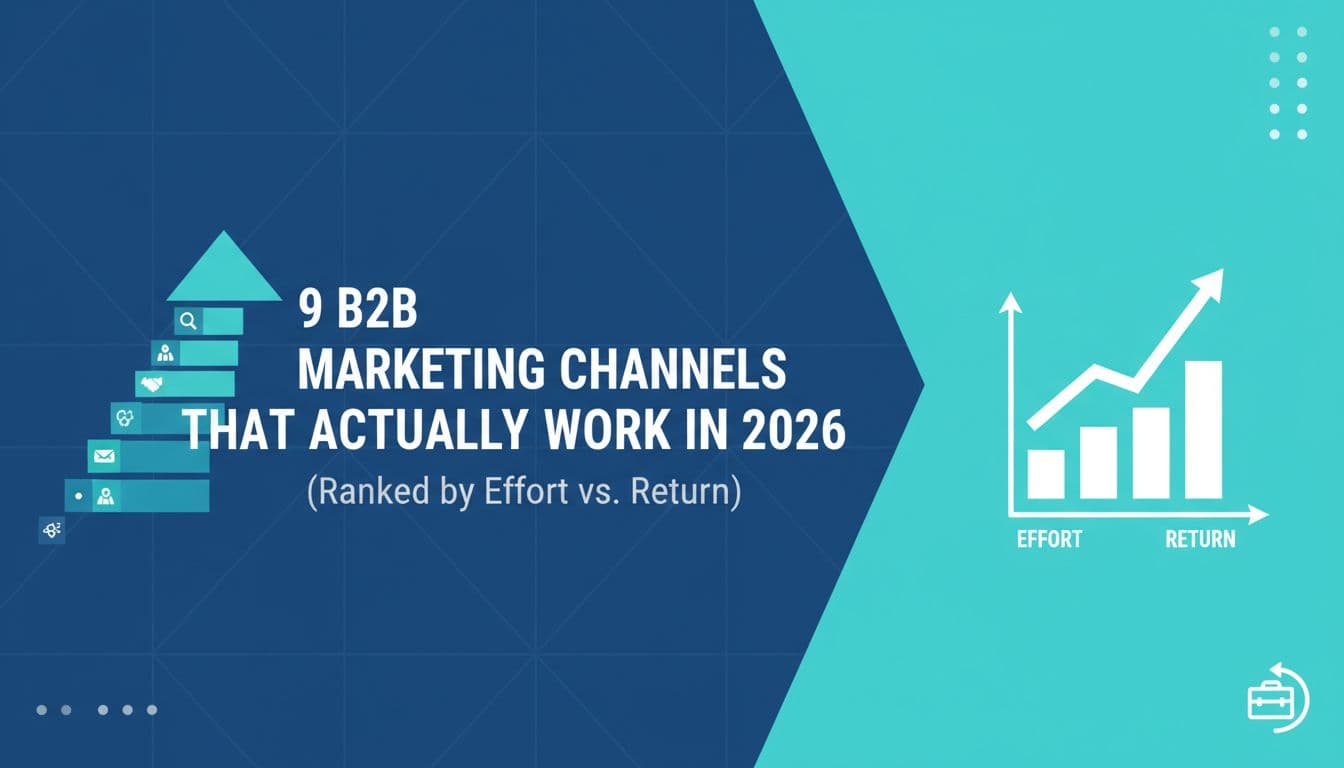
9 B2B Marketing Channels That Actually Work in 2026 (Ranked by Effort vs. Return)
Most B2B marketing advice tells you which channels to use. It stops there. The real problem isn't knowing the channels — it's staying consistent across them when you're running a lean team and wearing five hats at once. This article breaks down the 9 marketing channels that move the needle for B2B companies, ranked by effort versus return. You'll get a clear picture of where to put your time and budget, why some channels compound over time while others drain fast, and how AI content creation and social media automation are changing what's actually realistic for small and mid-size teams. Whether you're a founder doing your own marketing or a two-person team trying to punch above your weight, this is the practical breakdown you've been looking for.
15 min read
15 Marketing Tips for New Businesses (That Actually Fit Your Schedule and Budget)
Most new businesses don't fail at marketing because they lack ideas. They fail because they run out of time. You know you need to post consistently, show up on multiple platforms, and build a brand people recognize. But you're also running operations, handling customer service, and trying to sleep. This guide is for founders, solopreneurs, and first-time marketers who launched in the last 12 months and need a marketing plan that works with a one- or two-person team. Each tip here is built around the real constraint you're working with: limited hours, limited budget, and no agency on speed dial. You'll find specific tactics, honest time estimates, and a clear explanation of how AI-powered social media tools close the gap between knowing what to do and actually doing it. Bookmark this one. You'll come back to it.
13 min read
15 Marketing Tips for New Businesses (That Actually Work When You're Doing It Alone)
Most marketing advice for new businesses assumes you have a team, a budget, and about 40 free hours a week. You probably have none of those things. You launched something, you're trying to get customers, and everyone online is telling you to 'be consistent on social media,' 'build your brand voice,' and 'track your analytics' — without explaining how a single person is supposed to do all of that while also running the business. This article is different. Every tip here is built for founders who are doing it alone in the first 90 days. You'll learn which marketing moves actually drive results, how to stop wasting time on channels your customers don't use, and how AI-powered tools have made it possible for a solopreneur to market like a full team. No fluff. No advice that requires a marketing hire. Just what works.
12 min read
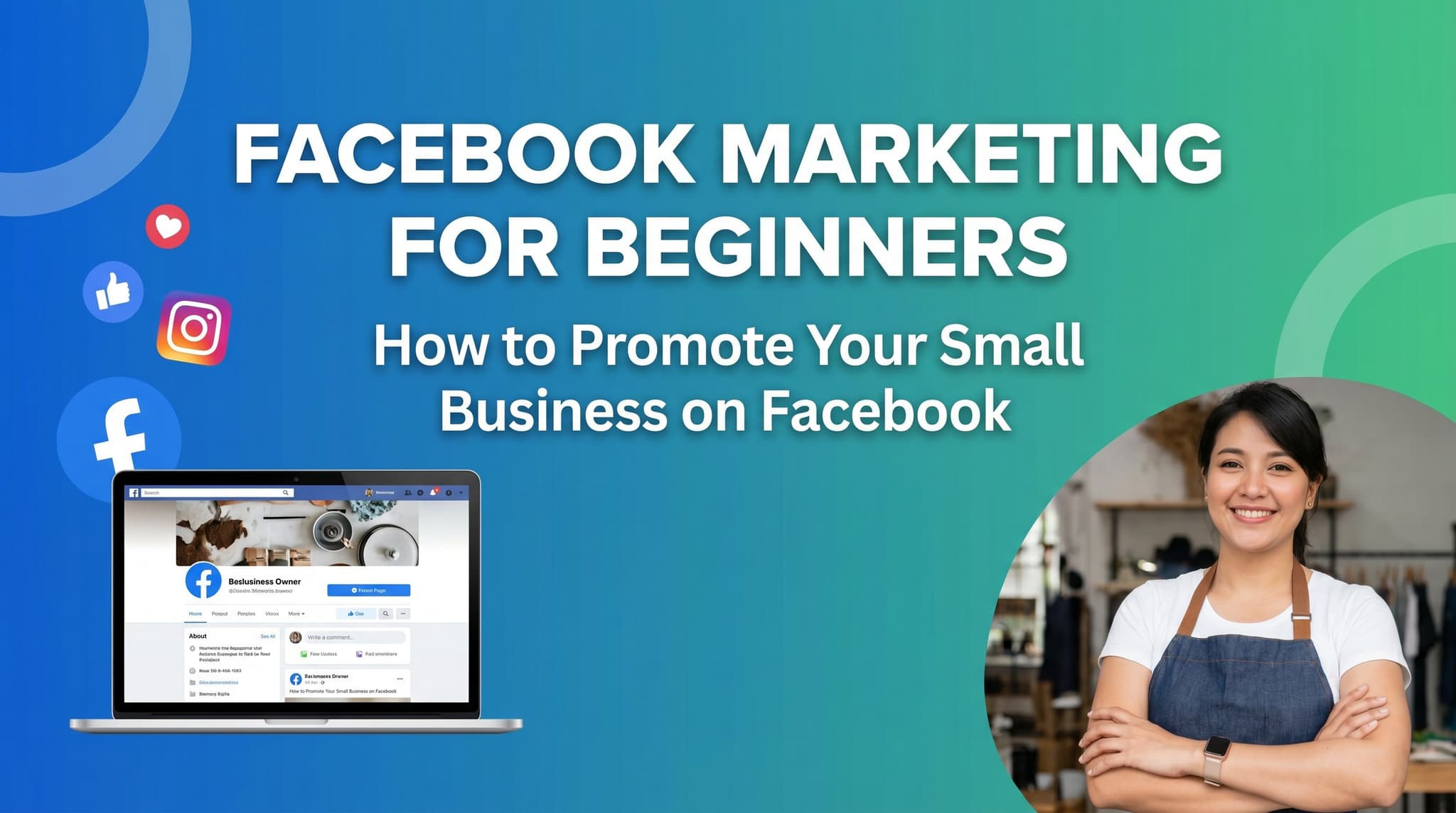
Facebook Marketing for Beginners: How to Promote Your Small Business on Facebook
You have a Facebook page, a few product photos and a business to run. The difficult part is deciding what to post next, checking the details and finding time to answer people afterward.
4 min read
 Marketers
LinkedIn Automation for B2B: How to Schedule and Scale Without Losing the Human Touch
Most LinkedIn automation articles warn you about bots or pitch outreach tools. This one is different. The real LinkedIn automation problem for B2B marketers is not lead gen spam. It is inconsistent content. You miss a week, the algorithm buries you. You scramble to post something, it sounds off-brand. You hand it to an intern, it goes live without a review. This article shows you how to build a content engine that posts consistently, sounds like you, and gets better over time using AI. The key insight is this: automation does not kill the human touch. Bad automation does. Good automation creates space for you to be more human, because you are not writing a post at 7am before a client call. You handle the ideas and the voice. The right tools handle everything else.
10 min read
 Developers
Social Media Scheduling API: The Developer's Guide to Multi-Platform Publishing in 2026
Most social media APIs in 2026 are still built like it's 2019. You authenticate against five different platforms, wrangle five different payload formats, and babysit five different rate limit systems. Then you do it again every time a platform changes something. There's a better way to think about this. The scheduling API is no longer a dumb pipe that accepts a post and returns a 200. In 2026, it's the backbone of an agentic content pipeline where AI agents do the drafting, the scheduling, the analytics pulls, and the optimization — without a human in the loop between steps. This guide walks through what that pipeline actually looks like, what API capabilities it requires, and how to tell whether a social media API was built for agent-first workflows or just had an API bolted onto a legacy product after the fact.
11 min read
 Developers
REST API vs Native Scheduler: When to Build vs Buy Your Social Media Stack
Most build vs buy decisions treat social media tools as a simple choice: write code or buy a SaaS seat. But in 2026, that framing misses the real question. Who — or what — is doing the posting? When a human clicks publish, a native scheduler works fine. When an AI agent, a CRM trigger, or an automated pipeline needs to publish across six platforms without anyone touching a button, you need an API layer. And building that from scratch means owning auth flows, rate limits, format rules, and versioning for every platform, indefinitely. This article gives developers, technical founders, and marketing ops leads a concrete framework for making this decision based on their actual use case. We cover what raw platform APIs really cost to maintain, where native schedulers hit their ceiling, and why agentic social media workflows are making this choice more urgent than it was even two years ago.
11 min read
 Creators
How to Build a Multi-Platform Content Strategy With One Brand Voice
Most guides tell you to adapt your content per platform and leave you to figure out the rest. But brand voice consistency and multi-platform execution are not two separate problems. They are one. When you solve for voice, you solve for scale. This article walks through a repeatable system used by founders, marketing managers, and content teams who publish across Instagram, TikTok, LinkedIn, YouTube, Facebook, and X without losing their minds or their brand identity. You will learn how to define your voice once, build content from a single core idea, adapt the format for each platform, and use AI and automation to hold it all together. No extra headcount. No extra hours. Just a smarter system that keeps every post sounding like you, no matter who wrote it or where it lives.
10 min read
 Ecommerce
Brand Voice on Social Media: How to Stay Consistent Across Every Platform and Post
Most brands treat brand voice consistency as a writing problem. Write a good style guide, share it with the team, and done. But that is not how it works in practice. The real problem is operational. Every platform you add, every post you publish, and every person who touches your content creates another chance for your voice to drift. A word here, a tone shift there. Over weeks, your brand starts to sound like three different people. This article breaks down what brand voice actually includes, why volume is the biggest threat to consistency, how to make your voice flex across platforms without losing its core, and why agentic AI workflows are the only way to hold your brand voice at scale. If you are about to hand off social content to a team or an AI tool, this is the article to read first.
12 min read
Ready to never miss a post again?
Tell Aidelly what to post. It drafts, schedules, and publishes across 11 platforms while you focus on your business.


Trusted by business owners