The Aidelly Blog
Run social for every client, with agents doing the busywork.
Plain-English guides on AI agents, approvals, publishing and reporting for agencies and the people who run them.
235 articles and counting
Latest posts
 Creators
How to Schedule YouTube Videos and Shorts Together Without Losing Your Strategy
Most YouTube creators run two separate content tracks on the same channel and wonder why neither one is working as well as it should. Long-form videos get planned in one tool. Shorts get posted whenever there is a spare moment. The result is a channel that feels scattered, not strategic. The fix is not working harder. It is treating Shorts and long-form as two speeds of the same strategy and scheduling them together so you can actually see how they connect. This article breaks down why the two formats serve completely different goals, how to map your posting frequency without burning out, and how AI-powered scheduling tools can now handle the metadata, gap-flagging, and performance analysis that used to eat hours every week. If you manage a YouTube channel in 2026 and you are still scheduling Shorts and long-form separately, this is for you.
11 min read
 Solopreneurs
Always-On Social Media: How to Keep Posting During Vacations and Busy Seasons
Most solopreneurs and small business owners hit a wall the moment life gets busy. A vacation, a product launch, a packed Q4 — and suddenly the content calendar goes dark. The problem is that going quiet on social media isn't neutral. Algorithms punish inconsistency. Reach drops. Follower growth stalls. And the momentum you spent months building can evaporate in two weeks of silence. The good news is that staying visible no longer means being glued to your phone. There's a real difference between scheduling tools that still require you to write and queue every post manually, and agentic social media management, where an AI agent handles ideation, drafting, formatting, scheduling, and performance tracking without you logging in. This article walks you through what it actually looks like to hand your social media to an AI agent before a vacation or a busy season — and come back to a pipeline that ran itself.
9 min read
 Agencies
White-Label Social Media Automation: How Agencies Use Agentic AI to Sell a Content Pipeline, Not Hours
Most agencies still bill for social media by the hour. One person handles content for five clients. Another handles ten. Eventually you hit a ceiling — more clients means more hires, and margins shrink. But a different model is taking hold in 2026. Agencies are packaging AI-powered social media automation as a productized service, delivering consistent branded content for dozens of clients without growing headcount. The shift isn't just about scheduling tools. It's about agentic AI workflows that handle ideation, drafting, scheduling, and reporting end-to-end. This article walks through what that model looks like operationally: how to pick the right platform, how to protect client brand voice at scale, how to structure your service tiers, and how REST APIs and MCP server connections let you build a custom client experience on top of existing infrastructure. If you run an agency and you're still selling hours, this is worth reading.
12 min read
 Developers
Webhook-Driven Social Media Triggers: A Practical Guide for Developers in 2026
Most webhook guides treat social media as an afterthought. This one does not. If you are building event-driven pipelines in 2026, the output of those pipelines should be published content, not just database rows. This guide covers the architecture, the security checklist, and the specific implementation patterns that connect real-world events to autonomous social publishing. You will learn how webhook triggers replace polling loops, which use cases actually matter in production, how agentic AI workflows handle everything downstream of your trigger, and what it takes to lock down your endpoints before you ship. Whether you are wiring a Shopify order event to an Instagram post or connecting a CMS publish hook to a LinkedIn update, this guide gives you the mental model and the practical steps to build it right.
14 min read
 Solopreneurs
X (Twitter) Scheduling for Coaches and Consultants: How to Stay Visible Without Daily Posting
Most coaches and consultants know they should be active on X. They post a few times, get busy with client work, and then disappear for six weeks. When a prospect Googles them before a discovery call and sees a dead profile, the credibility damage is done before the conversation even starts. This article shows you how to build a 30-day content system in one sitting using AI-powered drafting and agentic scheduling so your X profile always looks active, on-brand, and authoritative. You will learn the best times to post for B2B audiences, the four content types that drive real leads, how agentic AI workflows cut your weekly time cost from hours to minutes, and how to use X analytics to double down on what actually works. No daily posting required.
13 min read
 Developers
How to Build a Social Media Publishing Pipeline With Webhooks and the Aidelly API
Most developers building social media automation hit the same wall: they wire up one platform, get it working, then realize they have to do it five more times. Each platform has its own auth flow, rate limits, and quirks. Then something breaks at 2am and nobody knows why. There is a better way to think about this. A production-grade publishing pipeline is not a collection of one-off integrations. It is a system with clear stages, a unified publishing layer, and AI agents that can make decisions without you babysitting every step. This article walks through how to build that system using webhooks as your trigger layer and the Aidelly REST API as your publishing backbone. By the end, you will have a mental model for a pipeline that actually holds up in production, not just in a demo.
11 min read
 Ecommerce
Social Media ROI for Ecommerce: How to Tie Scheduled Posts to Revenue
Most ecommerce brands spend hours every week on social media and have no idea how much money it actually makes them. They can tell you their follower count. They can tell you which post got the most likes last month. But ask them how much revenue came from Instagram last Tuesday, and you get a shrug. That gap between posting and profit is not a content problem. It's an infrastructure problem. This article breaks down exactly how to connect your scheduled posts to real sales numbers, starting with the metrics that matter, moving through UTM tracking and attribution models, and ending with how agentic AI workflows can close the loop automatically. If you're tired of posting into the void and ready to treat social media like a revenue channel, this is where you start.
11 min read
 Solopreneurs
Social Media Scheduling for Coaches: A 90-Day Launch Content Plan That Actually Gets Executed
Most 90-day content plans for coaches end up as abandoned spreadsheets by week three. Not because the plan was bad, but because the execution was too heavy. Writing posts from scratch, figuring out what to say on LinkedIn versus Instagram, remembering to actually post — it piles up fast when you're also running discovery calls and delivering coaching sessions. This guide shows you how to build a phase-based 90-day content plan tied to a real launch goal, then hands the execution to agentic AI workflows that draft, schedule, and optimize your posts without daily manual input. Month 1 builds trust. Month 2 nurtures leads. Month 3 drives enrollment. And you stay in your zone of genius — coaching — instead of staring at a blank caption box every Monday morning.
12 min read
 Small Business
AI Brand Voice Training: How to Make Every Scheduled Post Sound Like You
Most AI-generated social media posts have a problem. They sound like AI wrote them. The sentences are clean, the tone is polite, and nothing about them sounds like the person behind the brand. If you've pasted your content into an AI tool and gotten back something that technically works but feels completely wrong, you already know what this means. The fix isn't a better prompt. It's better infrastructure. Brand voice documentation — written down, structured, and stored somewhere your AI tools can actually use it — is what separates generic output from posts that sound like you wrote them on your best day. This article walks through how to build that foundation, how to train AI on your specific voice, and how tools like Aidelly put that voice to work across every platform you post on.
11 min read
 Marketers
Agentic AI vs. Copilot AI: Which Social Media Automation Model Is Right for Your Team
Most AI tools make you faster. Agentic AI makes certain tasks disappear entirely. If you're still spending hours each week writing captions, picking post times, and moving content through approval chains, the problem isn't your output speed. It's that you're still in the loop for decisions an AI agent could handle on its own. This article breaks down the real difference between copilot AI and agentic AI for social media management — not as a technology explainer, but as a workflow decision. We walk through what each model actually looks like for a solopreneur juggling six platforms, a small in-house team trying to scale content without adding headcount, and an agency managing a dozen client accounts. By the end, you'll know which model fits your team right now and how to move toward more autonomy as your confidence in AI grows.
11 min read
 Ecommerce
Seasonal Campaign Scheduling: How Ecommerce Brands Plan 12 Months of Social Content
Most ecommerce brands treat social media like a fire drill. A holiday creeps up, someone panics, and three people spend a weekend writing captions that should have been ready weeks ago. The result is rushed content, inconsistent brand voice, and missed revenue windows. There's a better way. Brands that build a real 12-month social media calendar stop reacting and start executing. They map content to the retail calendar, plan platform-specific posts for each season, fill the quiet months that most brands ignore, and build approval workflows that don't collapse under deadline pressure. This article walks through exactly how to do that, and how agentic AI changes the game for small teams that can't afford to hire a full content department. If you've been looking for a system that actually holds up all year, this is it.
11 min read
 Agencies
Multi-Client Social Media Reporting: How Agencies Automate Analytics Delivery
If you manage more than five client accounts, you already know the reporting grind. Every month, you pull numbers from Instagram, TikTok, LinkedIn, Facebook, X, and YouTube, drop them into a spreadsheet or a deck, write a summary, and send it off. Then you do it again for the next client. And the next. For a mid-size agency, that process can eat 40 or 50 hours a month before you've done any actual strategy work. But the real problem isn't the time. It's what manual reporting signals to your clients. When you're buried in data entry, you're not thinking about what's next for their brand. You're just catching up. This article is about a different model: one where AI agents handle the data collection, the formatting, and the delivery, so your team shows up to client calls with insights instead of spreadsheets. That shift changes how clients see you.
12 min read
 Developers
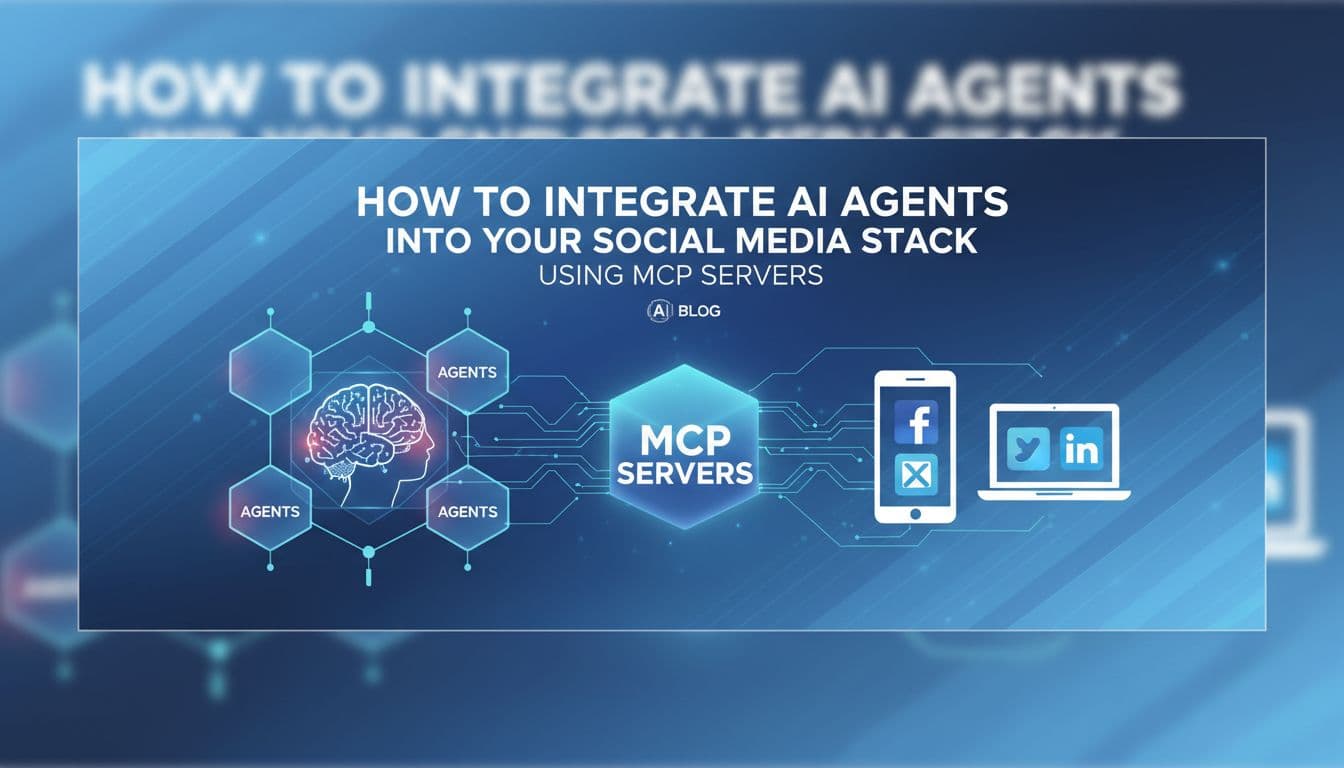
How to Integrate AI Agents Into Your Social Media Stack Using MCP Servers
Most AI tools help you write social media posts. This article is about making AI actually post them. MCP (Model Context Protocol) is the open standard that turns a chatbot into an autonomous social media agent. It lets AI assistants like Claude and ChatGPT connect directly to platforms like Aidelly and take real actions: drafting content, scheduling posts, routing approvals, and pulling analytics. No copy-pasting. No tab-switching. No manual handoff. Only about 7 platforms in the world currently support MCP for social media, which means the marketers and developers who set this up now are running a workflow most of their competitors have never heard of. This guide breaks down what MCP is, why it matters specifically for social media, and how to connect your AI assistant to an agentic social media stack that runs end-to-end without you babysitting every step.
12 min read
 Creators
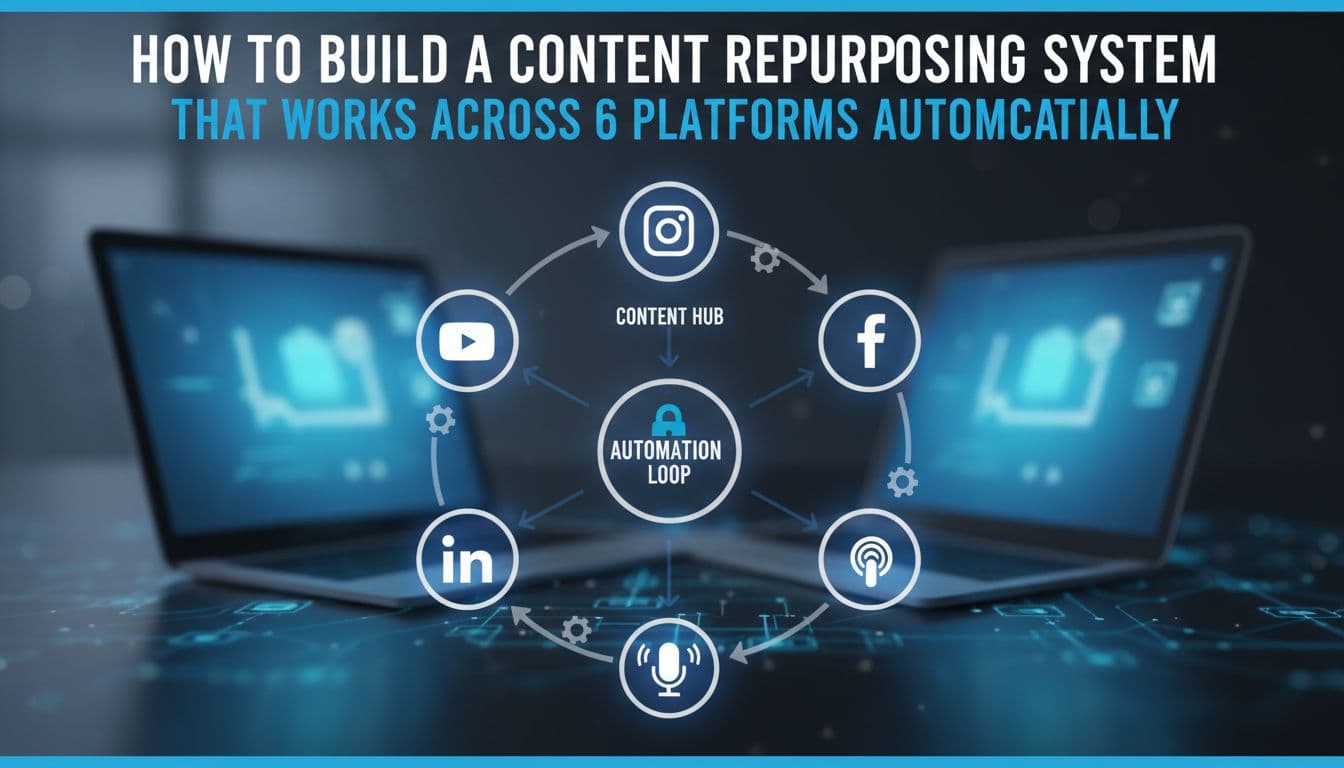
How to Build a Content Repurposing System That Works Across 6 Platforms Automatically
Most content creators are stuck in a loop. They film a video, write a caption, post it, then start over from scratch on the next platform. By the time they've reformatted the same piece of content for Instagram, LinkedIn, TikTok, YouTube, Facebook, and X, an hour is gone and the week hasn't even started. There's a better way to think about this. Instead of treating repurposing as a task, you can build it as a system. One piece of pillar content goes in. Six platform-native posts come out. They get scheduled at the right time, in your brand voice, without you touching each one manually. This article walks you through exactly how to build that pipeline, what makes it actually work across all six platforms, and how agentic AI is turning what used to be a full-time job into something that mostly runs itself.
11 min read
 Solopreneurs
The Solopreneur's Guide to AI-Powered Batch Content Creation in One Weekly Session
Most solopreneurs know batch content creation is smart. The problem is the manual version is still exhausting. You block off a morning, open five tabs, copy-paste between platforms, reformat captions, check optimal posting times, and two hours later you've got three posts scheduled and a headache. That's not batching. That's just concentrated chaos. This guide shows you a different model: a one-hour weekly session where AI handles the drafting, formatting, and scheduling while you steer the strategy. You'll get a concrete workflow broken into timed phases, learn how to feed AI the right inputs so output barely needs editing, and see how connecting your content calendar, multi-platform scheduling, and analytics into one tool turns batch creation from a weekly chore into a compounding content engine. If you're a one-person business tired of content eating your week, this is the system you've been looking for.
10 min read
 Creators
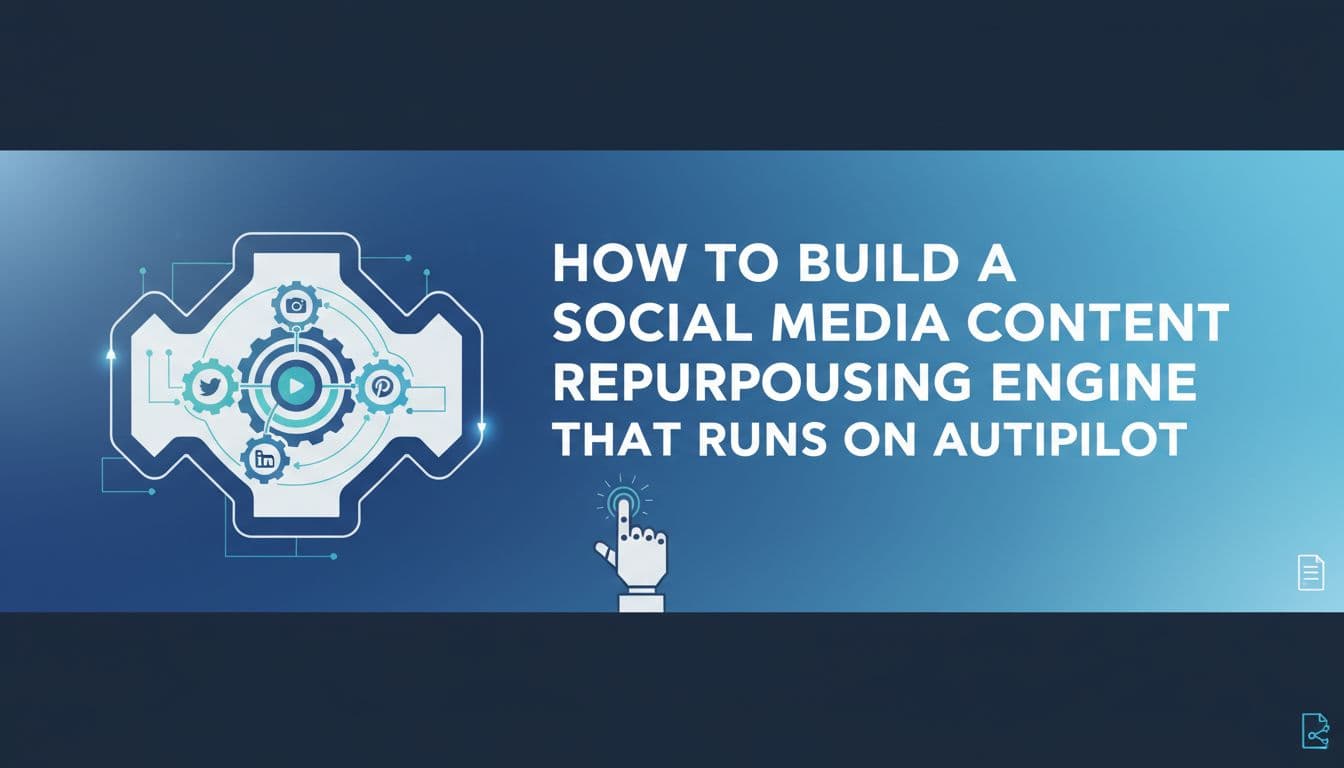
How to Build a Social Media Content Repurposing Engine That Runs on Autopilot
Most content creators are stuck in a loop. You write a blog post, copy a few lines into Instagram, paste a shorter version into LinkedIn, and maybe remember to post something on X before the week ends. That is not a repurposing strategy. That is manual labor dressed up as a workflow. The good news is there is a better way to do this, and it does not require a bigger team or more hours. A real content repurposing engine has four stages: ingest, transform, schedule, and analyze. When those stages run on agentic AI, the whole system works without you touching a keyboard. This article breaks down what that engine looks like, why most repurposing breaks down before it even gets started, and how agentic workflows change what is actually possible for solopreneurs, creators, and marketing teams in 2026.
12 min read
Ready to never miss a post again?
Tell Aidelly what to post. It drafts, schedules, and publishes across 11 platforms while you focus on your business.


Trusted by business owners